YOUR BIOLOGICAL CAPITAL COMPASS
Your results are organized around three parts of your Biological Economy: what is supporting your terrain, what life is asking of it, and how you're restoring.
SUPPORTED — Areas marked SUPPORTED point to conditions that appear to be contributing resources, stability, or capacity to your terrain. Notice what's working and what may be helping it stay that way.
ORIENT — Areas marked ORIENT point to places where support and demand may be less consistent. Look more closely before deciding what, if anything, needs to change.
INVESTIGATE — Areas marked INVESTIGATE raise a stronger question about what may be limiting support, increasing demand, or interfering with restoration. Don't jump to conclusions. Gather enough information to understand what your terrain may be responding to.
Don't try to fix everything you see. Start by noticing what stands out.
CONTINUE YOUR OBSERVATION
Your Compass is a snapshot of your terrain right now. The next step is to observe what happens around the areas that stood out to you.
You don't need to track everything.
Choose one area that caught your attention and begin there.
Notice when it feels different. Notice what happened before it changed. Notice what seems to support it. Notice what seems to make it harder. And pay attention to what else changes alongside it.
Over time, those observations can reveal something a single assessment cannot:
GO DEEPER WHEN YOU'RE READY
The Biological Capital Compass helps you identify where to look.
The next step is learning how to observe your terrain over time.
The Terrain 2.0 Workbook gives you a structured place to record what you're noticing, recognize recurring patterns, and continue the Observe → Orient process beyond today's assessment.
And Terrain 2.0: A Restoration Manual for the Modern Body provides the larger framework for understanding why these parts of your terrain interact in the first place.
You don't need to understand everything today.
You just need to know where to look next.
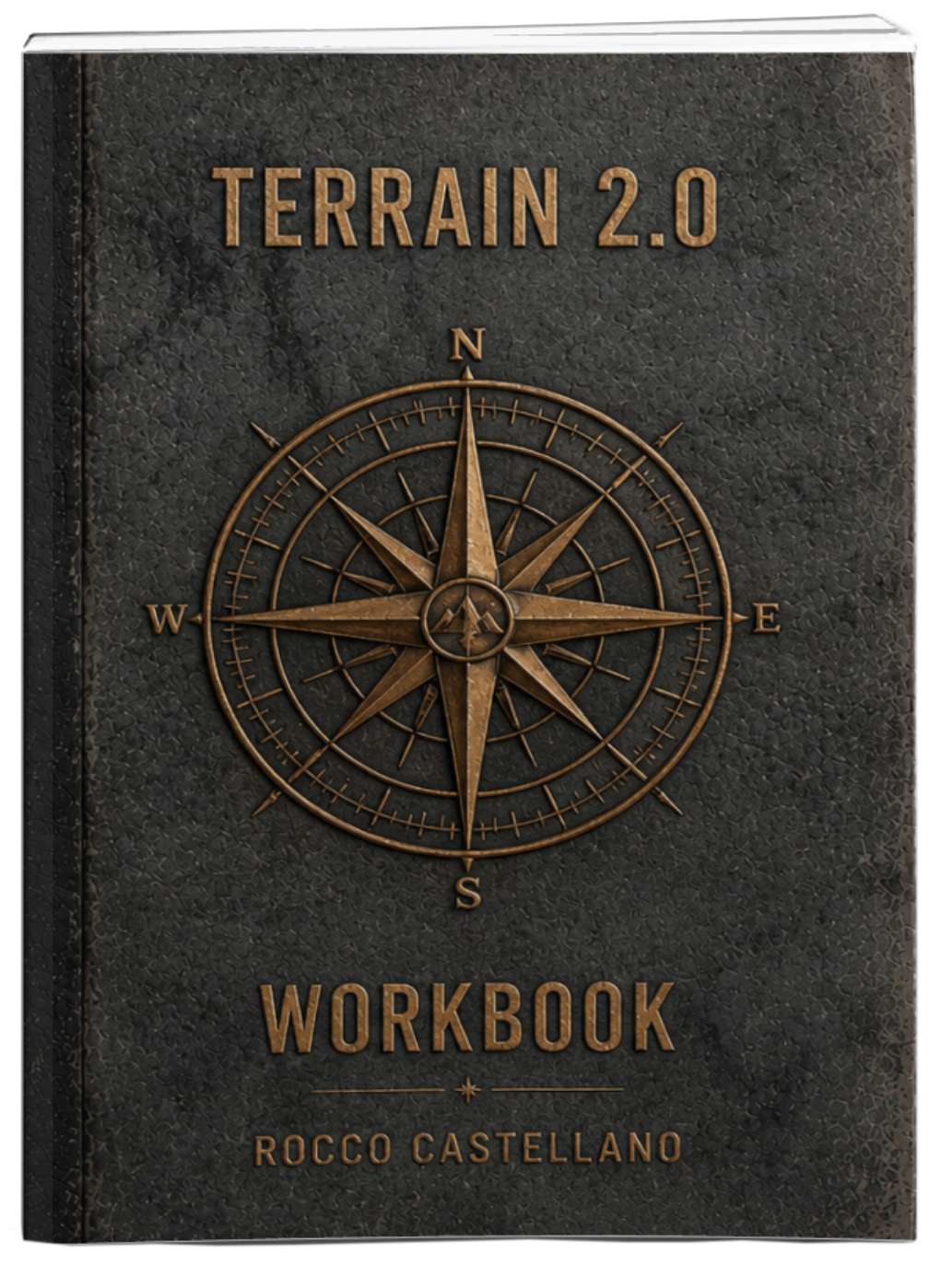
CONTINUE YOUR OBSERVATION
Use the Terrain 2.0 Workbook to record what you're noticing, follow patterns over time, and continue the Observe → Orient process.
EXPLORE THE WORKBOOK →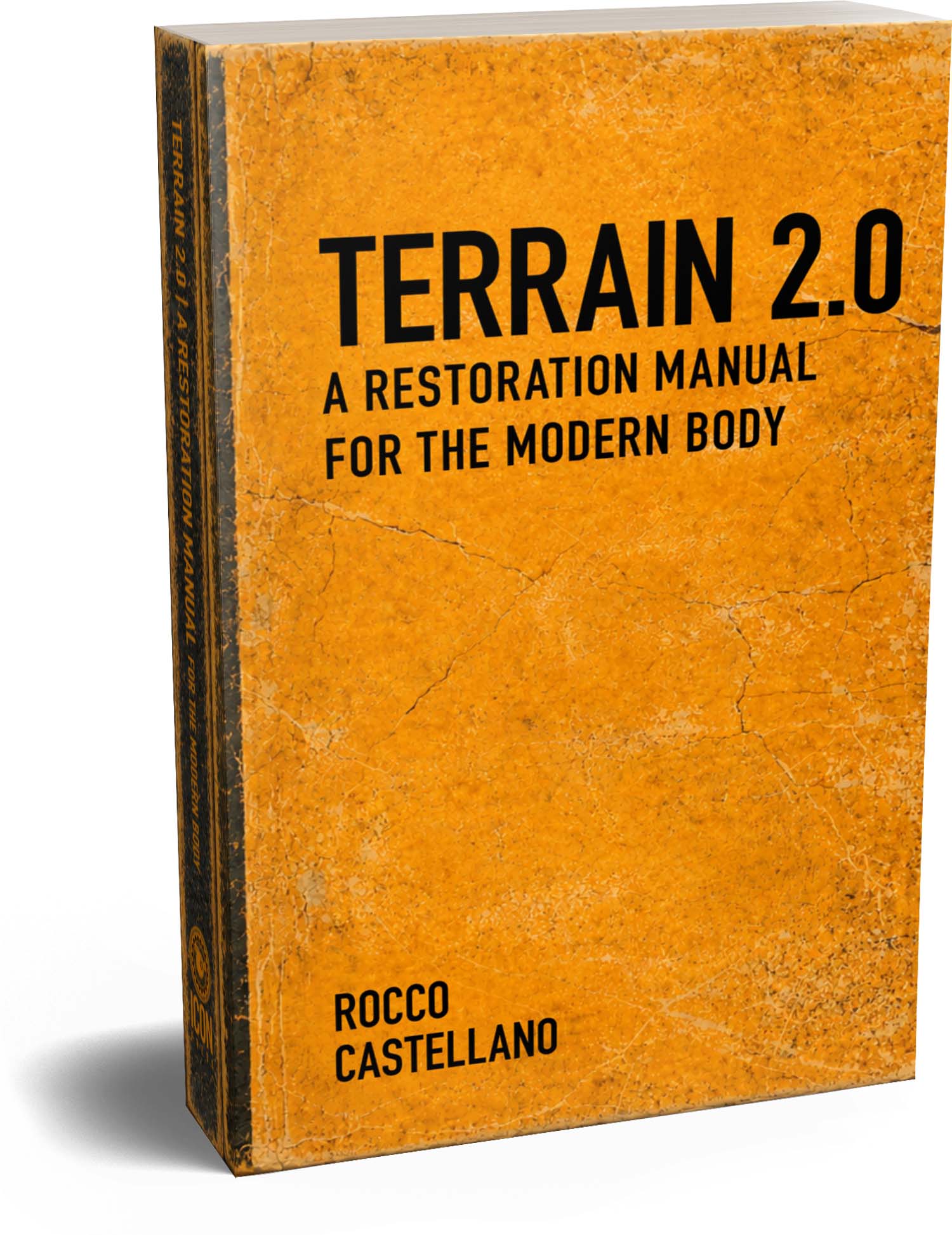
UNDERSTAND THE FRAMEWORK
Go deeper into the Terrain 2.0 framework behind your Biological Capital Compass and understand how the different parts of your terrain interact.
EXPLORE TERRAIN 2.0 →Observe what's happening. Orient to what it may be telling you. Restore what your terrain needs.